
Pink-Mouth Murex (phyllonotus erythrostomus)
<p>In the 17th century, seashells became popular collectible objects because they were considered rare and exotic. They also became common subjects for still-life paintings known as Vanitas, which symbolically represent the transience of life. The etchings of both Wenceslaus Hollar and Rembrandt van Rijn could represent the simultaneous beauty and fragility of existence. While still lifes in general are exceedingly rare in Rembrandt’s work, Hollar’s etching comes from a series of seashells, consisting of 38 plates. Rembrandt’s shell (1938.1805) could have been inspired by Hollar’s work, though Rembrandt’s decision to render the shell in a three-dimensional space represents a marked difference between the two etchings.</p>
Catalogue
- Year
- 1640
- Dimensions
- Sheet, trimmed within platemark at right: 9.7 × 13.3 cm (3 7/8 × 5 1/4 in.)
- Collection
- Art Institute of Chicago
- Artist
- Wenceslaus Hollar
Artist

More
More by Wenceslaus Hollar

English Noblewoman
1673 · Etching on ivory laid paper

Cape Spartell from the West
1669 · pen and brown ink with watercolor over black chalk on two joined sheets of laid paper
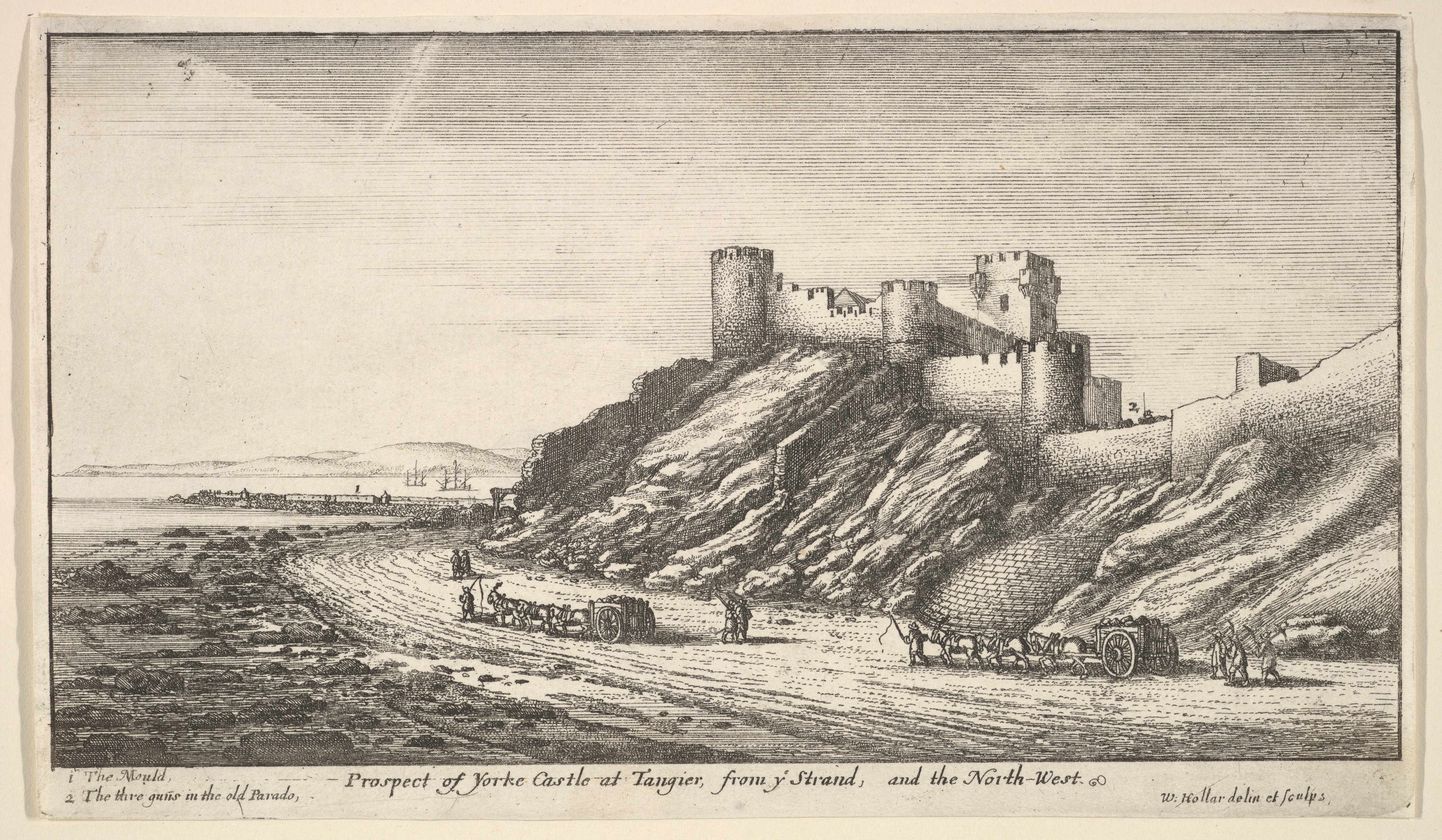
Prospect of Yorke Castle at Tangier, from ye Strand, and the North-West, from "Views of Tangier"
1669 · Etching; first state of two

Warships and a Spouting Whale
1665 · Etching on ivory laid paper

Warship in the Trough of a Wave
1665 · Etching on ivory laid paper

Galley
1665 · Etching on ivory laid paper
Record
Verified by WattsOS- Artist
- Wenceslaus Hollar
- Year
- 1640
- Dimensions
- Sheet, trimmed within platemark at right: 9.7 × 13.3 cm (3 7/8 × 5 1/4 in.)
- Watts ID
- WW-1640-089685
Source
- Collection
- Art Institute of Chicago
- Source
- aic
- Reference
- View at source
- Status
- verified